Integrated Pest Management (IPM)

Pacscape proudly implements Integrated Pest Management (IPM), a strategic approach that combines sustainable practices with advanced horticultural knowledge to maintain and enhance landscape health. Unlike traditional methods that often rely on the widespread application of chemicals, this method prioritizes reducing environmental impact, preserving plant health and promoting a thriving ecosystem.

Our IPM System

Advanced Management Solutions

Common Pests & Plant Diseases

Navigating the challenges of landscape management requires an understanding of the common pests and plant diseases that can impact plant health. With our expertise, we are equipped to address a variety of issues, implementing preventive measures and specific treatments to safeguard the environment.

By employing targeted solutions for common pests and diseases, we ensure the landscapes we manage remain vibrant and thriving.

A close-up of a caterpillar with long spiky hairs crawling on the edge of a green leaf with a dark, blurred background.

Pests

Common pests can threaten plant health and overall garden aesthetics. From destructive insects like aphids and grubs to persistent rodents and weeds, effective pest management is essential for maintaining vibrant and thriving landscapes.

A close-up image shows a green plant stem covered with numerous small yellow and green aphids. The aphids are clustered together, feeding on the plant while some are scattered on the leaves.

Aphids

Affecting a range of trees like Oak and Maple, aphids are managed through early spring soil injections to prevent their sticky secretions from covering walkways.

Close-up of a tree trunk showing bark that is light in color with multiple small holes and patches of dark, peeling sections. Green foliage and grass are seen in the blurred background.

Bronze Birch Borer

A serious threat to Birch trees, we proactively prevent infestations with preventative soil injections.

Leaves with small insects and dark spots, indicating possible infestation or disease. The leaves are green with clear signs of damage.

Azalea Lace Bug

Drains azaleas of nutrients, significantly impacting their health. Early summer treatments are crucial for protection.

Plant Diseases

Landscapers often battle various plant diseases that threaten plant health and growth. Fungal infections, bacterial leaf spot, and mosaic virus are just a few examples, making effective disease management crucial for vibrant landscapes.

A leaf covered in white powdery spots from powdery mildew, a fungal disease, with a blurred green background.

Flowering Tree & Shrub Disease

Targeted foliar treatments combat diseases like Fire Blight and Powdery Mildew, maintaining the health and bloom of flowering plants.

A green leaf with a section that is brown and dry, indicating possible disease or damage, set against a blue background. The dry area has a crispy texture and irregular edges.

Sycamore Anthracnose

Early spring treatments manage this disease, crucial for preserving Sycamore trees' aesthetics and structure.

Targeted Weed & Pest Control

Precision Turf Management

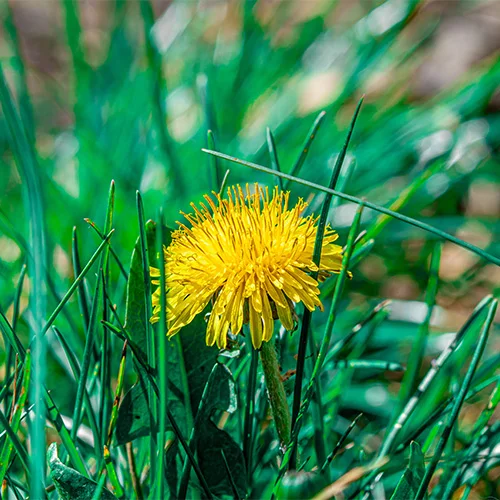
Preventive herbicide applications may only be performed when the previous year's monitoring efforts indicate a probable weed infestation that cannot be deterred by properly cultivating turf grass. Preventive applications should be made only to specific problem areas. Widespread use of broadleaf herbicides will be avoided unless the invasion of weed species exceeds 25% of the entire turf area. Spot applications will be carried out as needed for small areas.

A bright yellow dandelion flower in full bloom stands out amidst a background of green grass and foliage.
Person in an orange jacket crouching and tending to colorful flowers in a garden bed near a modern building with large windows. The surrounding area features paved walkways and greenery.
A person wearing an orange hoodie, hat, and ear protection operates a string trimmer along a sidewalk edged with green bushes in a landscaped area with buildings and a lamp post.

Whenever appropriate, biological pest control using predatory insects, beneficial nematodes, or microbial pesticides will be used. The use of insecticides in turf will be limited to preserve populations of beneficial insects and nematodes.

Pesticide applications for control of turf diseases will be performed only if evidence of disease has been found, significant areas (10-15% of the total turf area) of permanent damage can be anticipated, and all proper cultural practices have been employed.